


Türkiye in the 2026 FIFA World Cup: Expectations, Key Players, and Tournament Analysis


Why was the 2026 FIFA World Cup a great opportunity for Türkiye?
The 2026 FIFA World Cup was more than just a return to the major tournament for Turkey. It was a test of the accumulated expectations since 2002, the quality of the new generation, and the playing identity forged under Vincenzo Montella, all on the same pitch. The tournament, played in North America, was already a historic event with its new 48-team format and extensive 104-match schedule; for Turkey, it added a 24-year wait on top of that historic scale. According to FIFA’s tournament structure, there were 12 groups of four teams each, followed by a knockout round of 32 teams.
From an outsider’s perspective, Turkey’s story in Group D can be summarized in three results: a 0-2 defeat to Australia, a 0-1 loss to Paraguay, and a dramatic 3-2 victory against the USA. However, these three matches offered a deeper picture of football. Turkey showed promise at times in terms of possession, creative attacking play, and increased pressing intensity. Conversely, their transitional defense, poor defensive blocking ability, and poor decision-making in the penalty area ultimately determined their fate in the tournament.
A New Era in Turkish Football
The difference with this generation is that the players’ profiles have had more contact with the highest tempo of European football. Arda Güler’s Real Madrid level, Kenan Yıldız’s development at Juventus, Hakan Çalhanoğlu’s playmaker role at Inter, and Ferdi Kadıoğlu’s Premier League pace have raised the technical bar of the national team.
However, the new era isn’t just about star players. Turkey no longer wants to be a team that only reacts, leaves the ball to the opponent, and looks for goals with long runs. Montella’s approach has made it more prominent to build play from the center with passes, utilize half-spaces, make runs down the opposite flanks, and attempt short bursts of high-pressure pressing after losing possession. This approach has brought Turkey closer to becoming a modern tournament team; but the World Cup level has severely punished any shortcomings.
The Significance of Returning to the World Cup After 24 Years
The 2002 World Cup remains the strongest point of reference in the collective memory of Turkish football. Finishing third was not only a sporting achievement but also a story of intergenerational pride. The 2026 squad took to the field under the shadow of this memory. Therefore, expectations were naturally high before the tournament.
The 24-year return was significant in two ways. Firstly, Turkey was back on the world football stage. Secondly, young players experienced the rhythm of major tournaments at an early age. For players like Arda and Kenan, the World Cup was not just a stop on their careers, but a psychological foundation for future tournaments. This experience could create a valuable basis for the 2030 and 2032 goals.

Fan and Media Expectations Before the Tournament
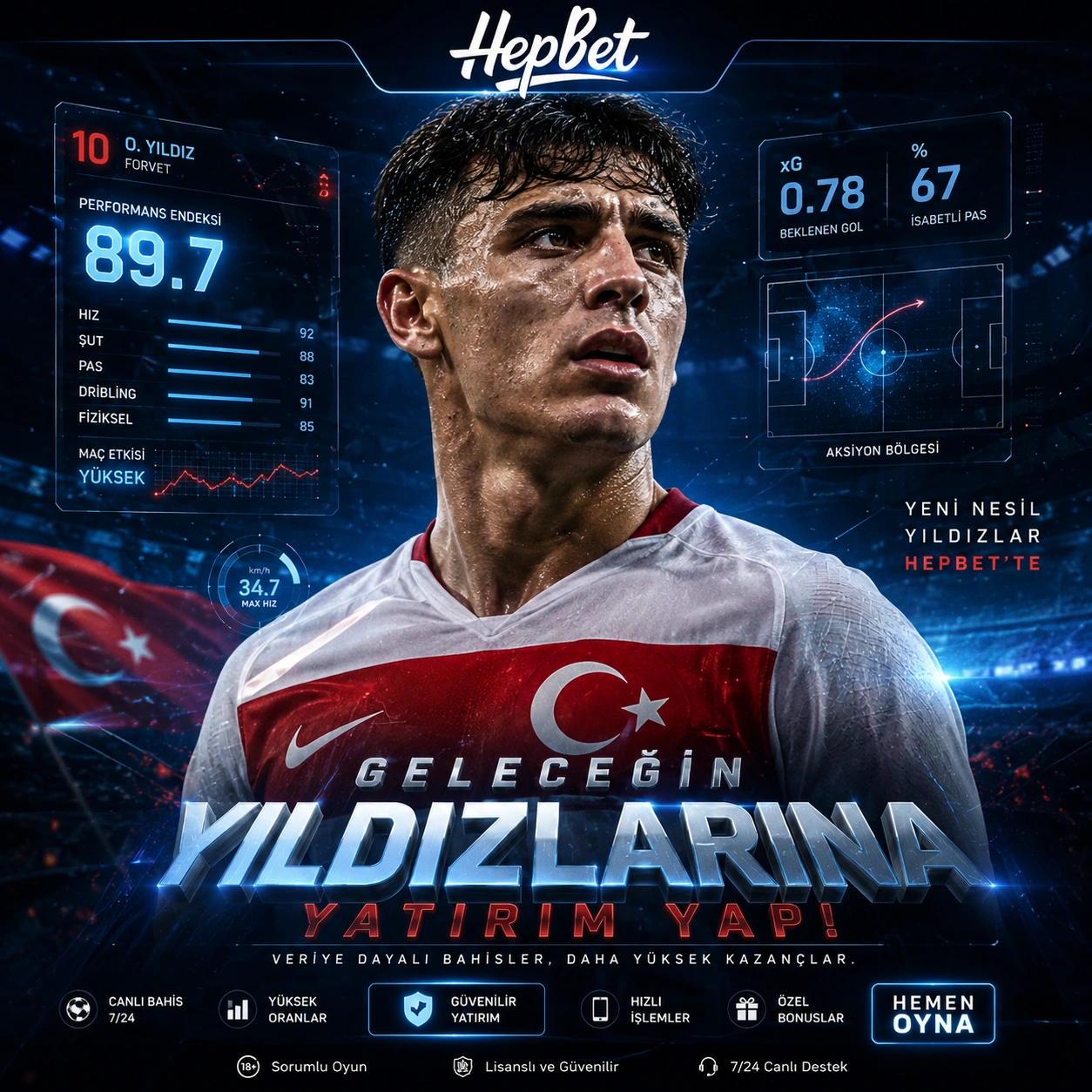
The prevailing sentiment in the Turkish media before the tournament was one of cautious optimism. Group D was seen as difficult but manageable. The USA was the favorite with home advantage; Australia was dangerous with its physical pace, and Paraguay was a troublesome opponent with its South American discipline. Nevertheless, the quality of Turkey’s squad reinforced the perception in the betting markets that they were a team capable of causing an upset.
The reality proved harsher. Turkey, having failed to score in their first two matches, lost their tournament momentum very early on. The 3-2 victory against the USA offered fans a belated sense of relief. This match reinforced the feeling that “this team was capable,” but it was already too late to qualify from the group.
Turkey’s World Cup Journey and Group Matches
Qualifying Stage and Play-off Achievements
Turkey’s ticket to the 2026 World Cup came through a tough competition in UEFA Group E, followed by the pressure of the play-offs. While Spain qualified directly for the finals from Group E, Turkey finished second; they then ended their 24-year World Cup wait by winning single-match play-off games against Romania and Kosovo. FIFA’s European qualifying results list shows Turkey finishing second in Group E with 13 points and qualifying for the tournament after beating Kosovo 1-0 in the play-off final.
| Rival | Score | Stage | Key Goalscorer |
| Georgia | 3-2 | UEFA Group E | Kerem Akturkoglu |
| Spain | 0-6 | UEFA Group E | No goals |
| Bulgaria | 6-1 | UEFA Group E | Kenan Yıldız |
| Georgia | 4-1 | UEFA Group E | Merih Demiral |
| Bulgaria | 2-0 | UEFA Group E | Hakan Calhanoglu |
| Spain | 2-2 | UEFA Group E | Deniz Gül |
| Romania | 1-0 | Playoff semi-final | Ferdi Kadıoğlu |
| Chuang | 1-0 | Play-off finals | Kerem Akturkoglu |
The most valuable aspect of this journey was Turkey’s ability to bounce back after some bad setbacks. The heavy defeat against Spain could have shattered the team’s confidence. However, the reaction in the matches against Bulgaria and Georgia showed that Montella’s group still has strong internal competition and a mental responsiveness capacity.

Montella’s Playing Style and Tactical Identity
Montella’s Turkey team, while appearing to be in a 4-2-3-1 formation on paper, employed a structure that shifted shape at different stages of the game. Key components of the attacking plan included Ferdi cutting inside when in possession, Hakan acting as a passing station in front of the central defenders, Arda being free on the right wing, and the wingers making runs behind the defense.
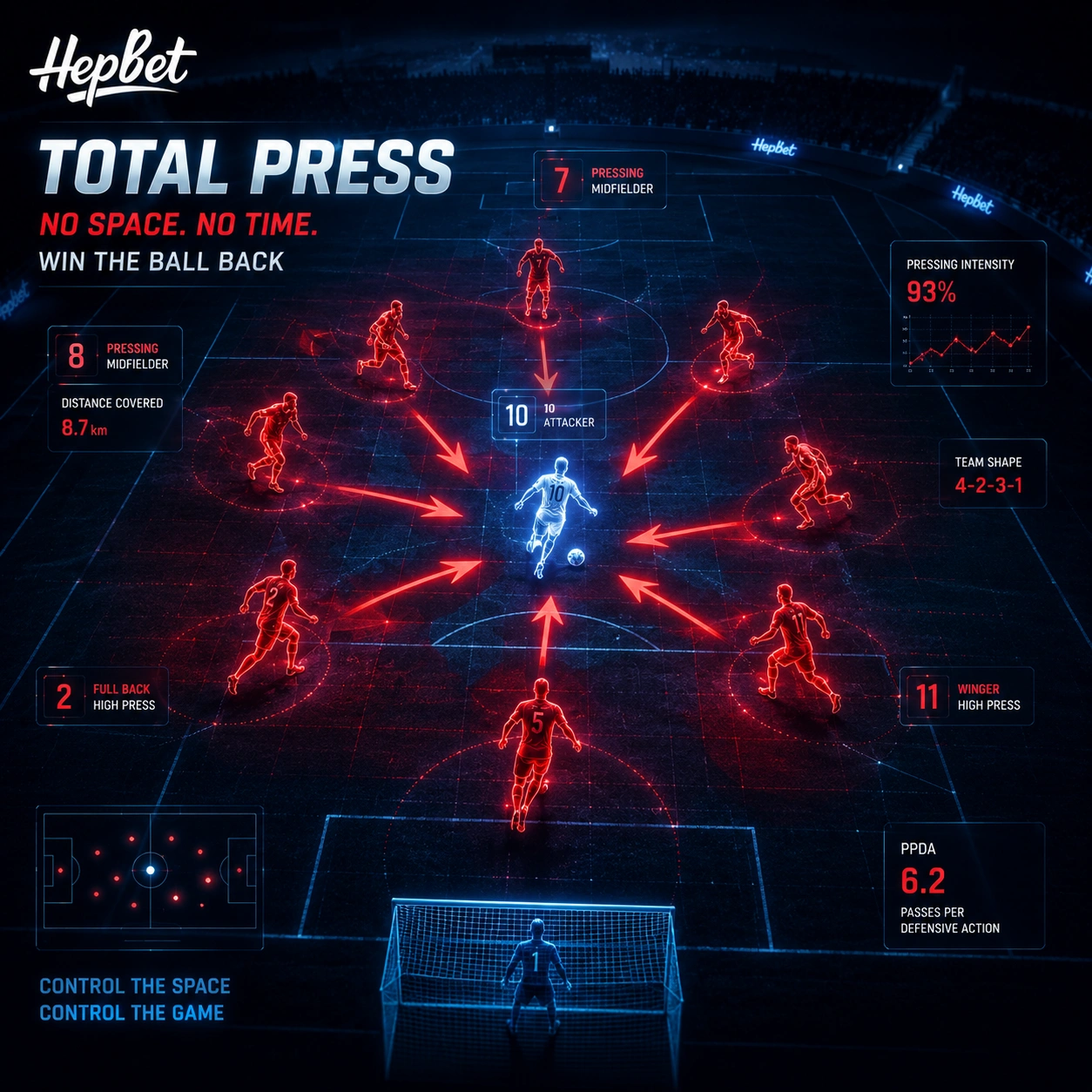
In defense, Turkey mostly waited in the middle block, but at certain moments they pushed forward with high-pressure triggers. Back passes to the opposing goalkeeper’s weak foot, fullbacks stuck on the touchline, or number six players with their backs to the goal were used as signals for pressing. The problem lay in controlling the distance behind this press. In the Australia match, when the first pressing line was broken, the center was left open; against Paraguay, the opponent’s low-block formation after an early goal disrupted Turkey’s rhythm.
Team Strengths and Areas for Improvement
Turkey’s strengths were clear: technical capacity, young star potential, and creative passing connections in the center. Arda Güler contributed with his on-the-line passes, Hakan Çalhanoğlu with his directional changes, and Kenan Yıldız with his one-on-one threat, adding a high level of attacking variety to the team.
The areas that needed improvement were more significant. Turkey’s xG quality dropped when they attempted too many shots before entering the penalty area. In the Paraguay game, possession didn’t translate into real threat. Against Australia, they lost second balls. In the USA game, transition attacks were much more effective, but this time they still left gaps in the defense. For great tournament success, Turkey needs to make their game not just exciting, but more controlled.
Players Who Determined Turkey’s Tournament Fate
Team Leaders and the Hakan Çalhanoğlu Factor
Hakan Çalhanoğlu was the brains of Turkey’s game in the tournament. His impact on the field cannot be measured solely by the number of passes. Hakan was the player who initiated the first pass under pressure, changed the direction of the game, and mobilized the opponent’s midfield block. However, when opponents closed him down, Turkey’s passing flow slowed down.
Australia and Paraguay pressured Hakan using different methods. Australia tried to neutralize him with more physical contact, while Paraguay attempted to do so by closing down space. In the USA game, however, the game flowed more openly, allowing the players around Hakan to connect more easily. This increased Turkey’s offensive tempo.
Young Talents Taking the Stage: Arda Güler and Kenan Yıldız
Arda Güler was Turkey’s most prominent creative figure at the World Cup. His goal against the USA and his Man of the Match award showed he wasn’t hiding on the big stage. FIFA’s match report stated that Turkey beat the USA 3-2 with a goal by Kaan Ayhan in the 98th minute, and that Arda Güler was named Man of the Match.
Kenan Yıldız added directness. His greatest asset is his ability to receive the ball in the space between the defensive line and the midfield and cut back to goal. This characteristic was a weapon that Turkey needed to utilize more against low-lying defensive blocks. This connection didn’t work well enough in the Paraguay match; however, its effectiveness increased in the USA match when he found more space.
Notable Players in Every Position
Each region in Turkey had its own unique story. Uğurcan Çakır kept the team in the game at certain moments. Ferdi Kadıoğlu acted as both a full-back and an extra playmaker. Merih Demiral excelled in physical challenges. And Barış Alper Yılmaz was the team’s most direct runner in transition attacks.
The common thread among these players was that they all had to take on different roles within the tournament. Turkey’s squad was of good quality; however, the depth in certain positions was tested as the intensity of the matches increased.
- Arda Güler:He was Turkey’s most creative player in the group stage. In the USA match, he stood out with his goal contribution and the quality of his final passes; the shots he created around the penalty area directly impacted the team’s xG (xG) output. In the Australia match, he created opportunities that challenged goalkeeper Patrick Beach with free kicks and through passes, while in the Paraguay match, he was forced to play more sideways due to the crowded midfield. On the defensive side, his efforts to close down the angles correctly at the start of presses were also noteworthy.
- Ferdi Kadıoğlu:He was one of Turkey’s most consistent two-way players. He provided extra passing options by cutting in from the wing to the center during runs with the ball, and defensively he was crucial in both one-on-one situations and defensive runs. Particularly in the Australia and USA games, his high sprint volume and the balls he carried into the attacking third allowed Turkey to cover the field more quickly during transitions. While his contribution to the attacking xG wasn’t as direct as his goal contributions, he was one of the main players who pushed the team’s positioning forward.
- Hakan Çalhanoğlu:As captain, he dictated the game’s tempo, but opponents’ pressing plans revolved around him. In the Paraguay match, the low block and central defensive strategy limited Hakan’s passing lanes; against the USA, however, his directional passes in a more open game increased Turkey’s attacking rhythm. Defensively, he sometimes struggled with second-ball reactions, but he was still the team’s most critical point of reference in terms of passing direction, set-piece threat, and match management. You can prevent last-minute goals from stealing your win.
Turkey’s Difficult Path in the Tournament: Group D Analysis
Group Stage Assessment: Australia, Paraguay and USA Matches
Group D looked balanced on paper for Turkey. However, on the pitch, each match presented a different problem. Australia hit Turkey hard with physical contact and quick transitions. According to the FIFA report, goals from Nestory Irankunda and Connor Metcalfe gave Australia a 2-0 victory in Vancouver. Matías Galarza’s goal in the 64th second against Paraguay put Turkey into early panic mode, and the match ended 0-1. The 3-2 victory against the USA was Turkey’s only, but strongest, reaction in the tournament.
| Set | THE | G | B | M | AT | YG | Madam |
| USA | 3 | 2 | 0 | 1 | 8 | 4 | 6 |
| Australia | 3 | 1 | 1 | 1 | 2 | 2 | 4 |
| Paraguay | 3 | 1 | 1 | 1 | 2 | 4 | 4 |
| Türkiye | 3 | 1 | 0 | 2 | 3 | 5 | 3 |
The Group D final standings clearly show why Turkey finished last with three points. The USA topped the group with two wins; Australia and Paraguay were ahead of Turkey with four points each.
Possible Round of 32 and Elimination Scenarios (Analysis of Turkey being eliminated by 3 points)
In the new format, the best third-placed teams can also advance to the Round of 32, so Turkey theoretically had hopes of winning against the USA. However, two defeats, a negative goal difference, and Paraguay’s points advantage ended this possibility. Turkey remained on 3 points; their goal difference also dropped to -2. This situation did not provide sufficient safety net, even in the race for third place.
From a betting perspective, Turkey’s group stage story offered an important lesson. Before the tournament, the “Turkey will advance from the group” market seemed attractive; however, on a match-by-match basis, options like the Australia handicap, Paraguay under 2.5 goals, and both teams to score against the USA were more sensible scenarios. There was a significant discrepancy between emotional expectation and analytical pricing.
The Tournament’s Toughest Potential Opponents
Had Turkey advanced from the group stage, they could have faced very different matchups due to the new Round of 32 format. The USA finishing first, Australia second, and Paraguay potentially third meant Group D would be paired with tough opponents in the qualifying bracket.
For Turkey, the most difficult potential opponents were teams that could break through high pressing and close down the midfield. Teams like France, Spain, Brazil, and Argentina would pose problems for Turkey not only due to individual quality but also their control of the match. Lower-profile but physical teams were similarly risky; because the biggest problem Turkey faced in the Australia match was not technical quality but physicality and resistance to second-ball disputes.
The Biggest Headlines of the 2026 FIFA World Cup
How has the new 48-team tournament format changed things?
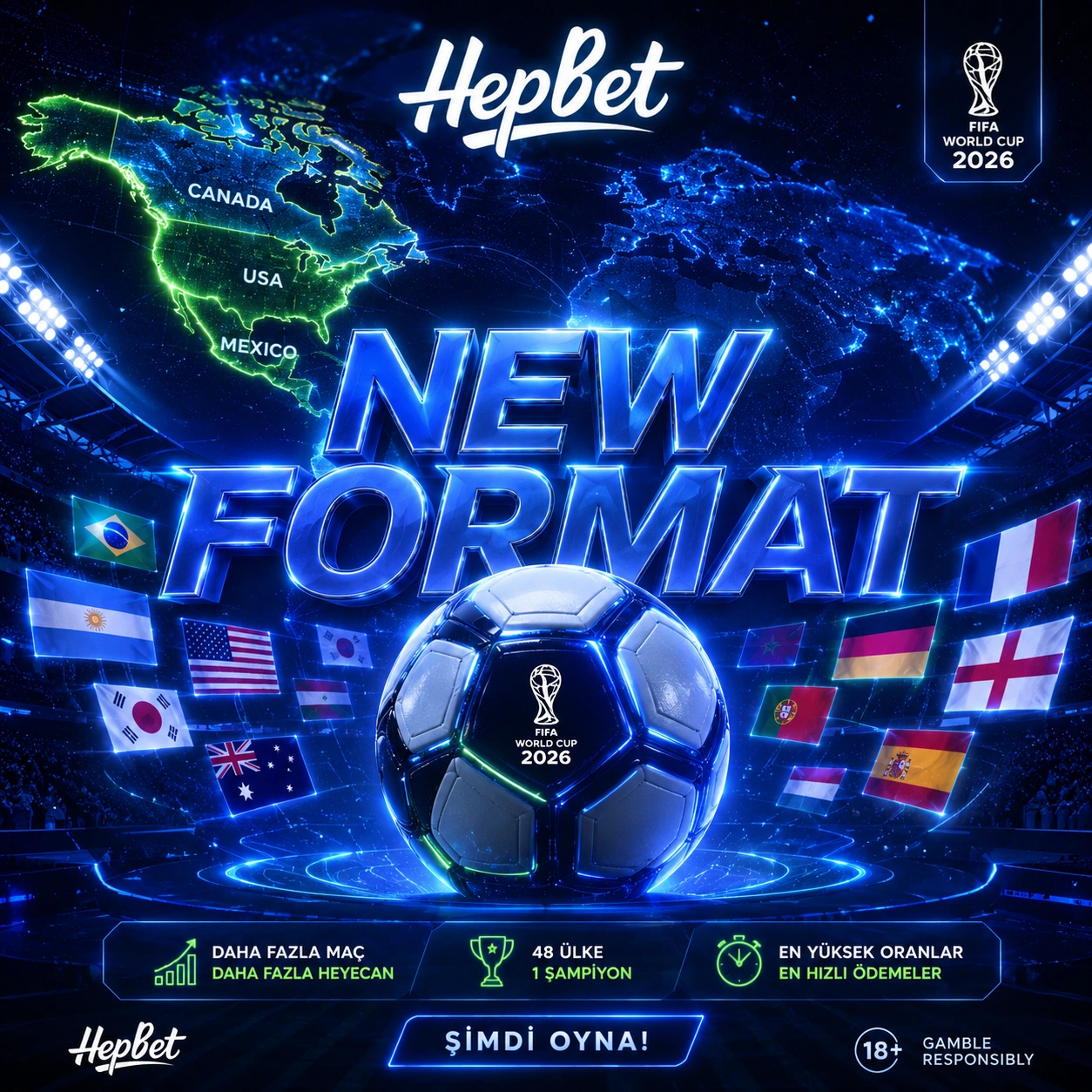
The 48-team format completely changed the psychology of the tournament. Now, in the third matches, not only the group leader but also the third-place ranking is taken into account. This led to a slower pace in some matches and excessive risk-taking in the final stages of others.
The format change also had a significant impact on the betting side. Qualifying odds became more complex, third-match scenarios in live betting were priced more volatilely, and team rotation decisions became more decisive in pre-match predictions. In particular, the reserve rotation of teams that had already secured first place made the favorite odds misleading.
Host Countries and Stadium Analyses
Stadiums in the US, Canada, and Mexico added three distinct characters to the tournament. On the US side, massive NFL stadiums, high capacity, and media density stood out. In Canada, cities like Vancouver and Toronto offered a more controlled atmosphere. Mexico, however, presented a different challenge with its altitude, temperature, and the pressures of traditional football. FIFA’s stadium guide indicates that the 2026 tournament will be played in 16 host cities.
Turkey’s game against Australia in Vancouver demonstrated the importance of adapting to North American conditions. The game against the USA, on the other hand, transformed into a more open, chaotic, and high-tempo game in the Los Angeles atmosphere.
Main Favorites Competing for the Gold Cup
As of early July, the tournament’s pool of favorites remains strong. France, led by Mbappé and Dembélé, offers both speed and finishing ability. Argentina, with Messi’s strategic intelligence and extensive tournament experience, remains dangerous. Brazil takes things to a different level with Vinícius Júnior’s threat in open spaces. England is held together by Harry Kane’s quality in the penalty area. And Spain, with its young stars and passing tempo, appears to be one of the most modern teams in the tournament.
New Star Candidates Who Are Amazing the World
- Lamine Yamal:He brought not only youthful energy but also decision-making quality to Spain’s right flank. When he receives the ball on the wing, he can play one-on-one, he creates passing opportunities when he gets into the inner corridor, and he constantly forces opposing full-backs to run back. His contribution shouldn’t be measured solely by assists or goals; he became the tempo determinant of Spain’s attacks built through the right flank.
- Nestory Irankunda:Irankunda’s goal in Australia’s 2-0 victory over Turkey was not just a contribution to the score, but also a message of the tournament. With his high speed, physical endurance, and shooting courage, he became one of the most striking young profiles in Group D. His runs behind the defense in the Turkey match were central to Australia’s transition plan.
- Pau Cubarsí:Despite his young age, he impressed in the Spanish defense with his composure in ball control. True to the definition of a modern center-back, he not only defended but also broke through the opponent’s press with his first passes, involved the midfield with passes that broke the line, and accelerated Spain’s build-up play.
How are Turkish fans experiencing the World Cup excitement?
Match Broadcasts and Viewing Habits from Different Platforms
The time difference with North America transformed this World Cup into a different experience for Turkish fans. Some matches were played late at night or in the early morning hours in Turkey. Therefore, classic television viewing habits were replaced by digital summaries, mobile notifications, and live statistics screens.
Fans no longer just watch the 90 minutes of a match. Commentary starts on social media the moment the lineup is announced, live odds movements are followed, and xG graphs are discussed immediately after the game. This makes football consumption faster, more data-driven, and more reactive.
Live Statistics Tracking and Modern Match Analysis
Live statistics have become critical, especially for bettors. Turkey’s possession in the Paraguay match seemed like an advantage at first glance; however, the shot quality and xG data didn’t say the same thing. Therefore, in modern sports betting, the quality of chances is as important as the score.
Turkish fans are now reading the following data more carefully: penalty area entries, shot map, corner pressure, pass direction, defensive actions, and tempo after player substitutions. In live betting, this data particularly influences the decision-making process in the “next goal,” “second half goal,” and “team total goals” markets.
Football Communities and Digital Fan Culture
Digital fan culture was as influential as the matches themselves at the 2026 World Cup. During Turkey’s matches, social media commentary, broadcaster analysis, fan forums, and short video platforms all generated significant buzz. This culture makes football more participatory; however, it can sometimes compromise the quality of analysis, giving way to emotional responses.
- FIFA digital match center:The official fixture list became the most reliable starting point for tracking squads, match locations, and basic statistics. Fans, in particular, checked match times, group standings, and the qualifying bracket from this source. In Turkey’s Group D scenarios, when calculating third place, official format information and the points table were more clearly understood from these types of resources.
- SofaScore and similar live score apps:Details such as player ratings, heat maps, shot direction, pass percentage, and real-time momentum graphs were widely used for in-game analysis. For bettors, these applications were particularly valuable for comparing live odds with on-field visuals.
- FotMob and detailed statistics platforms:xG, xA, shot quality, key passes, defensive contribution, and player-specific performance data stood out. Football fans who wanted to delve deeper into topics such as the tournament’s top scorer, assist leader, and goalkeeper performance used these platforms.

Records Broken and Potentially Broken at the 2026 FIFA World Cup
Team Records from the 48-Team Era
The 48-team format naturally leads to a redefinition of many statistical records. It means more matches, more goals, more player usage, and more knockout scenarios. Therefore, caution is needed when comparing the 2026 data with previous 32-team tournaments.
The most striking aspects for the teams are the volume of goals scored and the depth of rotation. While the big teams played a maximum of seven matches in the previous format, in 2026 the finalists can play eight matches. This increases the competition for both total goals and individual top scorer titles.
Individual Statistics and Top Scorer Race
As of early July, the race for top scorer is fierce. Rediff and other current score tracking sources report that Kylian Mbappé and Lionel Messi are tied for first place with six goals each, with Mbappé having the advantage in assists. Erling Haaland and Harry Kane are close behind with five goals each; Ousmane Dembélé and Vinícius Júnior are also in contention around four goals.
| Actor | Set | Number of Goals | Assist |
| Kylian Mbappé | France | 6 | 2 |
| Lionel Messi | Argentina | 6 | 0 |
| Erling Haaland | Norway | 5 | 0 |
| Harry Kane | England | 5 | 0 |
| Ousmane Dembélé | France | 4 | 2 |
| Vinicius Junior | Brazil | 4 | 1 |
In top scorer betting, it’s no longer just the number of goals scored that matters, but also how far a team can progress in the tournament. Mbappé and Messi have a strong advantage; however, France’s number of matches played, Argentina’s tempo management, Norway’s quality of service to Haaland, and England’s ability to get the ball to Kane inside the penalty area are constantly changing the odds.
Youngest Actors in History
2026 was a tournament where young players not only showcased their skills but also directly determined the outcome of matches. Players like Lamine Yamal, Arda Güler, Kenan Yıldız, Pau Cubarsí, and Nestory Irankunda demonstrated high decision-making quality, regardless of their age.
This development shows the direction of modern football. Young players are no longer taken to major tournaments to “gain experience.” If they can make accurate passes under pressure, make runs behind the defense, and adhere to tactical discipline, they become an integral part of the main plan.
Frequently Asked Questions
The 2026 FIFA World Cup began on June 11, 2026. According to FIFA’s match schedule, the tournament will conclude with the final on July 19, 2026.
48 teams are competing in the tournament. The teams are divided into 12 groups; the group winners, runners-up, and the best eight third-placed teams advance to the knockout round of 32 teams.
The 2026 World Cup is being hosted by the USA, Canada, and Mexico. Matches are being played in 16 different host cities spread across the three countries.
No. Turkey finished Group D in fourth place with 3 points and failed to advance. After losing 0-2 to Australia and 0-1 to Paraguay, a 3-2 win against the USA boosted morale, but their points and goal difference were not enough to qualify for the Round of 32.
The biggest difference is the new 48-team structure and the 32-team knockout round. This format has offered more countries World Cup experience, made third-place calculations more important, and brought group scenarios to a much more complex level in betting predictions.
Final Words
For Turkey, the 2026 World Cup was ultimately a disappointment, but also a very instructive tournament in terms of content. Returning to the stage after 24 years was valuable in itself; however, major tournaments don’t only reward comeback stories. Match management, quality in the penalty area, transition defense, and the ability to break down defensive blocks are crucial factors at this level.
Montella’s team is talented, courageous, and enjoyable to watch. However, the matches against Australia and Paraguay showed that in modern football, winning isn’t just about possession. The victory against the USA proved that the potential of this generation is still very much alive. If the structure built around Arda Güler, Kenan Yıldız, Ferdi Kadıoğlu, and Hakan Çalhanoğlu learns the right lessons, 2026 could be the beginning of a stronger tournament team, not an end.
In terms of betting and analysis, Turkey’s profile has become clear: high technical quality, strong emotional momentum, but still a fragile defensive balance. This makes watching Turkish matches exciting, but reading the odds requires careful attention.

